

Best Ergonomic Office Chairs for Posture Correction 2026
This article contains affiliate links. If you purchase through these links, we may earn a small commission at no extra cost to you.
Who this guide is actually for
There are three kinds of people shopping for an ergonomic chair right now.
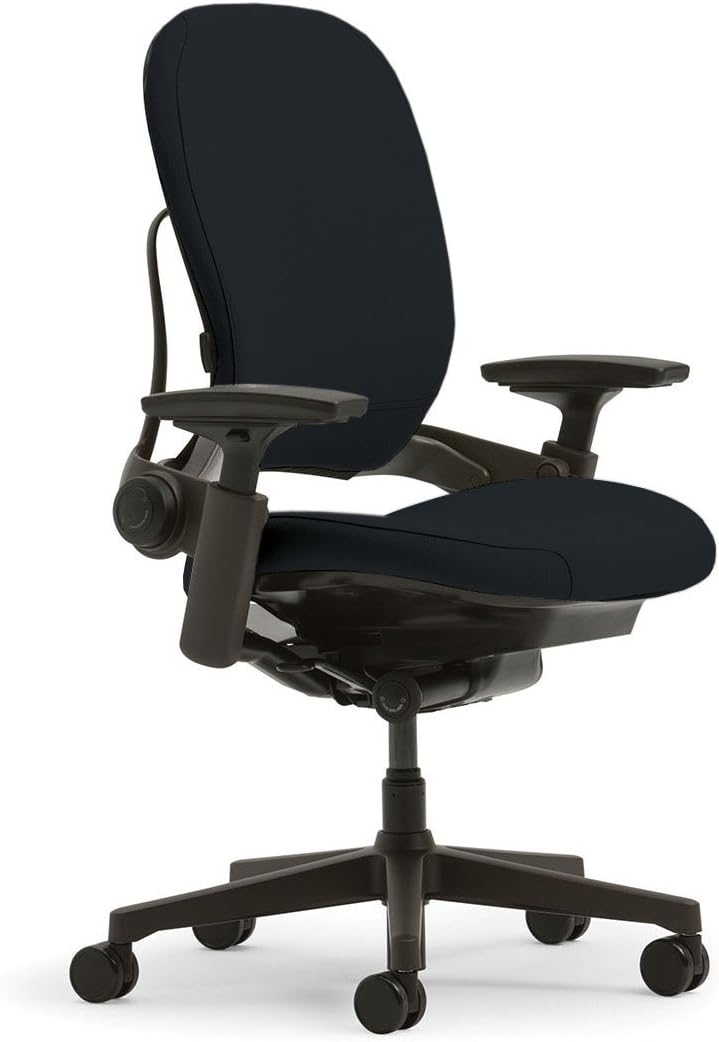
The chronic back-pain remote worker. You've been sitting 7–9 hours a day since 2020, your lower back is angry, and you're finally willing to spend real money. You need adjustable lumbar that actually moves with you — not a fixed foam pad — and a seat-depth slider so the front edge isn't cutting off circulation to your legs. The Steelcase Leap V2 was built for you.
The budget-conscious buyer who refuses to compromise. You've looked at the Herman Miller price tag and said no, but you've also been burned by a $150 mesh chair that wobbled itself apart in eight months. You need real lumbar adjustability and a stable base under $350. The Sihoo Doro C300 is where to look.
The executive or long-haul sitter who wants to stop thinking about posture. You want a chair that handles the ergonomics automatically — a recline that adjusts to your body weight without you fiddling with knobs every time you shift. The Humanscale Freedom is the only chair in this guide designed around that idea.
Decision framework
Pick the Steelcase Leap V2 if you sit 6+ hours daily, have a history of lower-back strain, and want the most proven long-term support mechanism in the under-$1,500 category.
Pick the Sihoo Doro C300 if you're budget-capped under $350 and need real lumbar adjustment (not just a fixed lumbar bump) without gambling on an unknown brand.
Pick the Humanscale Freedom if you recline frequently throughout the day and want a weight-sensing mechanism that adjusts without manual tension knobs.
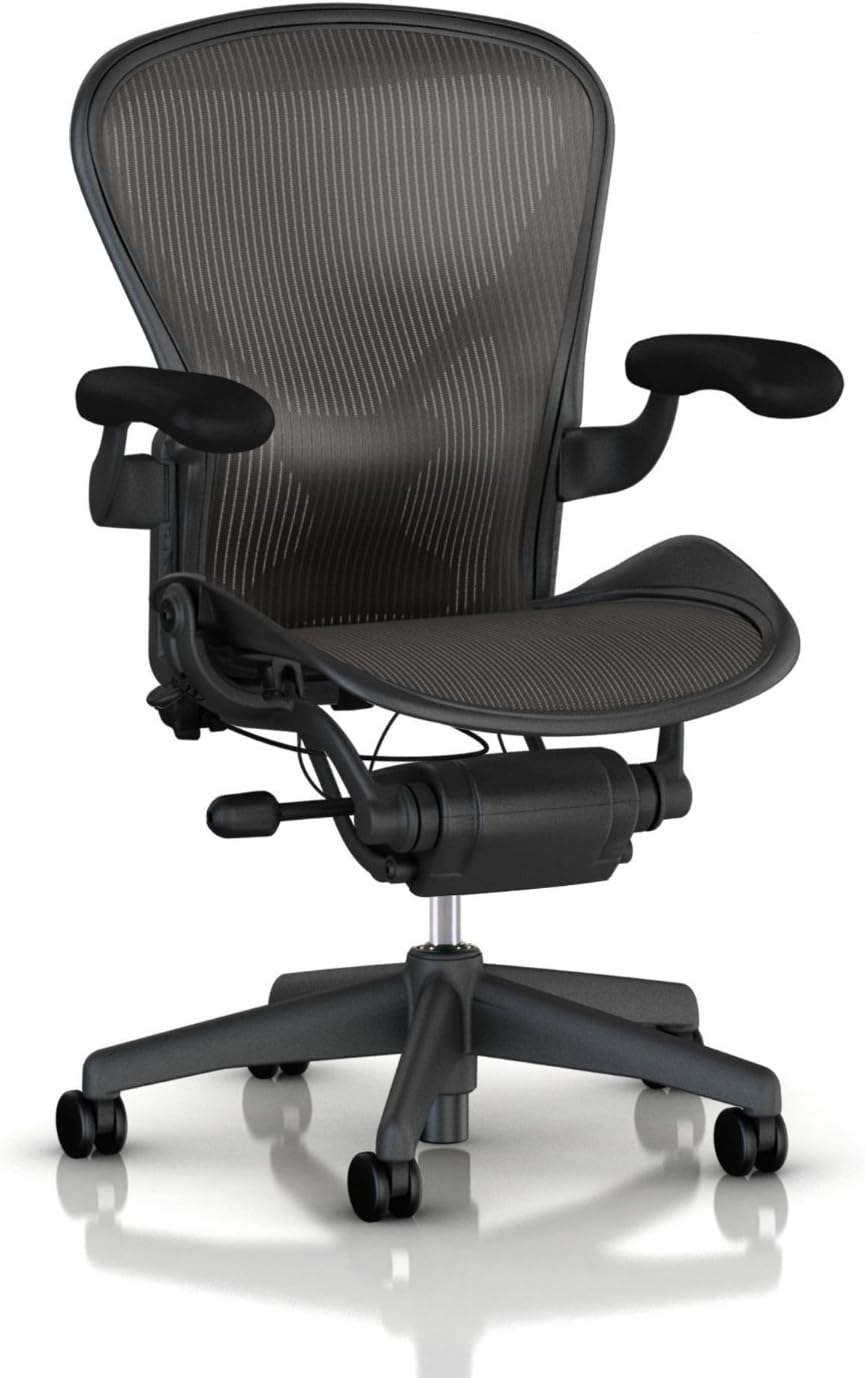
Pick the Herman Miller Aeron if you run hot, need a mesh seat (not just a mesh back), or require a chair with an established 12-year warranty and a global service network.
Pick the Branch Ergonomic Chair if you want solid mid-range adjustability without paying for a legacy brand premium, and you don't have extreme lumbar support needs.
Skip this category entirely if you sit fewer than 3 hours a day — a lumbar roll and a monitor stand will serve your posture better than any $1,400 chair.
Comparison table
| Chair | Seat Depth Range | Weight Capacity | Lumbar Type | Recline | Typical Price | Adjustments per $ (approx.) |
|---|---|---|---|---|---|---|
| Steelcase Leap V2 | 15.5″–18.5″ (3″ slider) | 400 lb | LiveBack flex + height adj. | 2° increments, upper/lower back independently | ~$1,100–$1,400 | ~0.005 adj/$ |
| Herman Miller Aeron | Fixed (size-specific) | 350 lb (Size C) | PostureFit SL (sacral + lumbar) | Limited tilt; tension adj. | ~$640–$1,500 | ~0.004 adj/$ |
| Humanscale Freedom | Adjustable | 300 lb | Self-correcting lumbar | Weight-sensitive auto-recline | ~$1,400–$1,800 | ~0.003 adj/$ |
| Branch Ergonomic Chair | Adjustable slider | 275 lb | Height-adj. lumbar pad | 5-position tilt lock | ~$330–$360 | ~0.012 adj/$ |
| Sihoo Doro C300 | Adjustable | 265 lb | Dynamic lumbar (auto-flex) | Multi-angle tilt lock | ~$280–$310 | ~0.014 adj/$ |
Adjustments per $ = distinct user-adjustable points divided by typical mid-range price. Higher = more control per dollar. The Leap V2 and Aeron score lower here not because they're less adjustable in absolute terms, but because their price floors are high. This metric deliberately favors budget buyers; weight it accordingly.
The picks
Steelcase Leap V2 — Best Overall
The Leap V2's differentiator isn't its adjustment count — it's the LiveBack system, a flexible frame that changes shape as your spine moves rather than staying rigid and forcing your back to conform to it. Published ergonomics reviews and long-term owner reports consistently rate this as the most effective mechanism for people who shift posture throughout the day. The separate upper- and lower-back force controls mean you're not choosing between lumbar support and mid-back pressure — you dial both.
Best for: Remote workers with established lower-back issues who sit 7+ hours daily and want a chair that's still performing in year five.
Herman Miller Aeron — Best for Hot Sleepers and 8PostureFit Loyalists
The Aeron's mesh seat is its primary structural argument — if your current chair leaves you sweaty by noon, that alone justifies the consideration. The PostureFit SL system addresses both the sacrum and lumbar simultaneously, which is different from most chairs that target only one level. The gotcha: the Aeron comes in three sizes (A, B, C) and the seat depth is fixed per size. Get the wrong size and no amount of adjustment fixes it. Measure your torso before ordering.
Best for: People who run hot, work in warmer home offices, or have already used the Aeron in an office environment and know their size.
Humanscale Freedom — Best Stretch Pick (Hands-Off Recline)
The Freedom's headline feature is its weight-sensing recline: instead of a tension knob you adjust manually, the mechanism is pre-calibrated to your body weight and reclines proportionally as you lean back. Owner reports suggest this genuinely works as advertised for most people in the 120–220 lb range — outside that window, results are more mixed. The downside at this price point is the lumbar support, which is passive/self-correcting rather than manually adjustable. You're trading fine-grained lumbar control for effortless recline behavior.
Best for: Senior executives or long-haul sitters who recline constantly and want posture management that doesn't require fidgeting with knobs mid-meeting.
Branch Ergonomic Chair — Best Mid-Range Value
Branch has carved out a genuine mid-range position rather than being a cheaper-feeling version of something else. The seat depth slider, height-adjustable lumbar pad, and 5-position tilt lock cover the major adjustment bases. Owner reports on Amazon and Reddit forums are broadly positive, though some longer-term reviews (12+ months) note the armrest adjustment mechanism can loosen over time. At roughly $330–$360, it undercuts most comparable chairs by $100–$200 and backs it up with a reasonably clean warranty.
Best for: Buyers who want genuine ergonomic adjustability above the $150 junk tier but can't or won't spend $1,000+.
Sihoo Doro C300 — Best Budget Pick
Under $310, the C300's dynamic lumbar system stands out. Rather than a static pad bolted to the backrest, it flexes independently — owner reports consistently describe it as noticeably better than fixed lumbar in this price range. The 3D armrests (height, pivot, forward/back) are unusually complete for the price. Weight capacity lands at 265 lb, which is on the lower end — buyers near or above that limit should move up to the Branch or Leap V2. Assembly takes 30–45 minutes based on owner reports; not a gotcha, just budget the time.
Best for: Budget-constrained remote workers who want real lumbar movement — not just a fixed bump — and are under 250 lb.
What changed in 2026: mid-range chairs got meaningfully better
The $250–$400 bracket used to be a wasteland of fixed-lumbar mesh chairs with 18-month lifespans. That's shifted. Brands like Sihoo and Branch have introduced dynamic lumbar mechanisms and proper seat-depth sliders at price points that were unthinkable three years ago. The honest implication: the gap between "budget" and "premium" ergonomic chairs has narrowed on adjustability, but not on long-term durability. Owner reports on chairs in the Sihoo/Branch tier rarely extend past 2–3 years, whereas Leap V2 and Aeron owners routinely report 7–10 year lifespans. If you're buying a chair you expect to outlast two job changes, the premium spend still makes sense. If you're renting, or genuinely uncertain whether a better chair will solve your back pain, the C300 is a low-stakes way to find out.
FAQ
Does an ergonomic chair actually fix back pain, or is that marketing? A better chair removes a contributor to back pain — poor lumbar support and seat-edge pressure — but it doesn't fix muscular imbalances, poor monitor height, or insufficient movement. Based on published ergonomics research, a chair with proper lumbar support and seat-depth adjustment reduces discomfort for most sedentary desk workers, but no chair substitutes for standing breaks and core strength. Treat it as necessary-but-not-sufficient.
Mesh back vs. foam back — which matters more for posture? Mesh back breathability matters more for comfort than for posture directly. What matters for posture is whether the lumbar support is adjustable and whether the backrest flexes with your movement (like the Leap V2's LiveBack) rather than staying rigid. A rigid foam back with good lumbar adjustment beats a breathable mesh back with no adjustment, every time.
Do I need a headrest for an ergonomic chair? Only if you actively use it. Ergonomists widely note that most headrests on office chairs are positioned for a reclined posture — if you sit upright and work at a monitor, a headrest often goes unused or actively pushes your head forward. The Humanscale Freedom's headrest is better-designed than most, but even there, owner reports suggest it's polarizing.
What's the real warranty difference between a $300 chair and a $1,400 chair? Significant. The Steelcase Leap V2 carries a 12-year warranty on all parts. Herman Miller Aeron: also 12 years. Branch covers 5 years on the frame and 2 years on foam/upholstery. Sihoo Doro C300 offers a 3-year warranty. On a per-year-of-warranty basis, the Leap V2 at ~$1,200 costs ~$100/year of coverage; the C300 at ~$300 costs ~$100/year too. The premium chairs win on expected lifespan-to-warranty alignment — they're designed to survive their warranty period and then some.
How we chose
The shortlist was built by cross-referencing published expert reviews from major home-office and ergonomics outlets, long-term owner reports on Amazon and Reddit (particularly r/Workspaces and r/StandingDesks, where multi-year ownership threads surface real failure modes), manufacturer spec sheets, and warranty documents. Roughly nine chairs were evaluated at the research stage; five made the final cut. Dominant selection criteria, in order: lumbar support mechanism quality (adjustable and dynamic beats fixed), seat-depth adjustment range, weight capacity, recline mechanism integrity, and long-term owner durability signal past the 18-month mark. Price-per-adjustment was computed as a derived metric to give budget buyers an honest cross-product comparison anchor. No chairs were accepted on the basis of manufacturer claims alone — every pick required corroborating long-term owner evidence.
Bottom line
For most remote workers with back pain and a serious daily sit schedule, the Steelcase Leap V2 remains the answer — its LiveBack mechanism and independent upper/lower back controls address posture dynamically, not just statically, and owner reports consistently back it up over 5–10 years of use. If you're not ready to spend $1,100+, the Sihoo Doro C300 is a genuinely surprising budget pick with a dynamic lumbar system that punches above its $300 price class — just know the weight capacity ceiling is 265 lb and the long-term durability data is thinner than the premium tier. For buyers who want posture support that works passively as they recline, the Humanscale Freedom is the only chair in this guide built around that idea, and it's worth every dollar of the premium if hands-off recline is your priority. Whatever you spend, the real gotcha in this category is ordering the wrong size — measure your torso height and hip width before clicking buy.