Standing Desk vs Treadmill Desk: Flexispot E7 Pro Plus vs WalkingPad C2
This article contains affiliate links. If you purchase through these links, we may earn a small commission at no extra cost to you.
This decision comes down to one question: do you actually walk while you work?
Not "do you want to." Do you currently walk on a treadmill during Zoom calls, or is this the version of yourself you're optimistically purchasing for? That question — more than price, more than specs — is what separates the buyer who should get a standing desk from the one who should pair it with a walking pad.
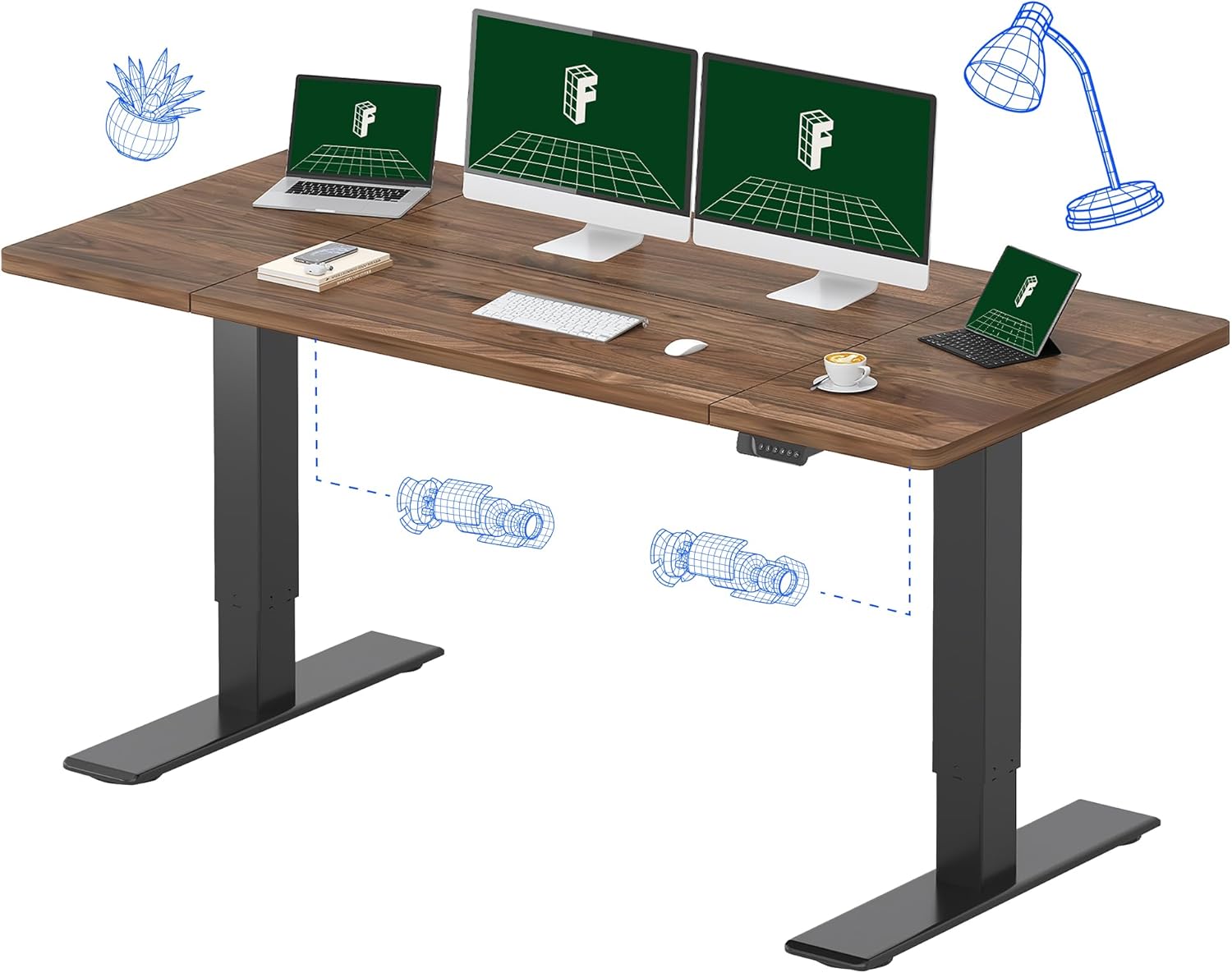
The Flexispot E7 Pro Plus is a motorized sit-stand desk frame. The WalkingPad C2 is an under-desk walking treadmill. These are not competing products in a strict sense — one is a workstation, one is a movement tool — but the comparison is real: every hour you spend researching walking pad desks is an hour you're deciding whether to invest in movement infrastructure or just in a better desk. That tradeoff deserves a direct answer.
The Flexispot E7 Pro Plus
The E7 Pro Plus is Flexispot's upper-tier dual-motor frame, typically priced around $279.99. It's built for people who want a legitimate ergonomic workstation — not a hobbyist frame, not a wobbly entry-level unit. At that price point, dual-motor frames are rare, and owner reports consistently flag the E7 Pro Plus as one of the more stable options in this tier.
The WalkingPad C2
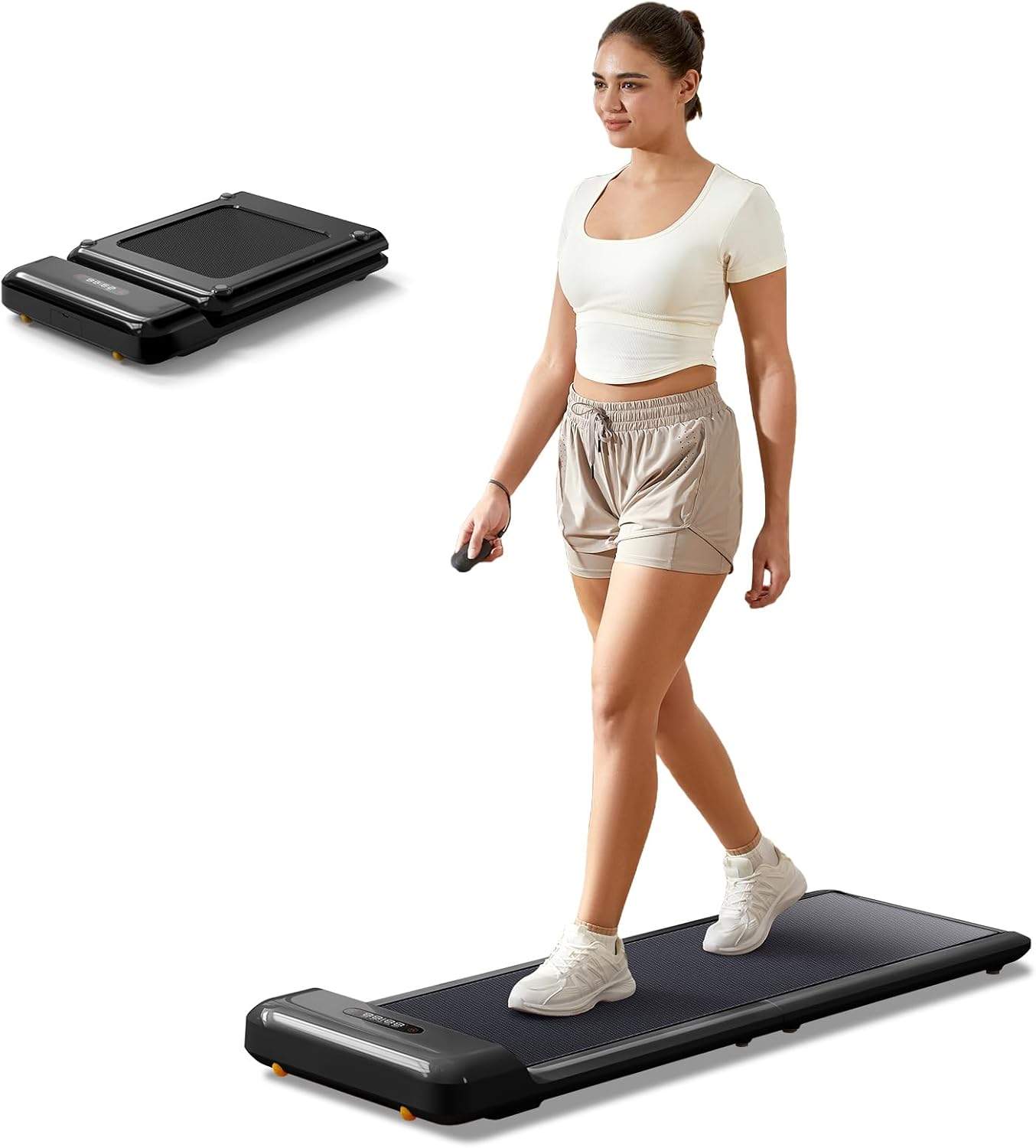
The WalkingPad C2 runs around $399.00 and carries a 4.2-star average across 63 reviews at time of writing — a smaller sample than you'd want for full confidence, but enough to surface the real complaints (speed inconsistency, remote lag, and a deck that's narrow enough to punish bad foot placement). It's a foldable, under-desk walking pad designed to slide under a standing desk when not in use.
Head-to-Head: Where They Actually Differ
Stability Under Load
A standing desk frame needs to hold still. A walking pad introduces vibration, lateral movement, and variable weight distribution as you stride. Owner reports on Reddit and manufacturer forums consistently surface wobble complaints when walking pads are paired with single-motor desk frames — the desk shifts slightly with each step, which is miserable if you're trying to track something on screen.
The Flexispot E7 Pro Plus's dual-motor design and reported crossbeam rigidity give it a meaningful edge here. The E7 Pro Plus wins this dimension decisively. The WalkingPad C2 doesn't wobble on its own — but it will expose instability in any desk frame that isn't up to the task.
Price-to-Use-Case Fit
At $279.99, the E7 Pro Plus gives you a full ergonomic workstation that benefits every work hour. At $399.00, the WalkingPad C2 gives you movement benefit only during the subset of your day when you can walk and work simultaneously — published ergonomics research and owner reports both suggest that's realistically 1–3 hours for most knowledge workers, and zero hours during focused task work.
The implied cost-per-productive-hour strongly favors the standing desk for most buyers. If you already have a solid desk frame and are adding the WalkingPad C2 on top, the math changes — but as a standalone purchase against a standing desk, the desk wins on utility breadth.
Space and Footprint
The WalkingPad C2 folds for storage, which is its main practical argument for smaller home offices. But "foldable" in practice means you're moving and repositioning equipment when you want to use it, and owner reports note the fold mechanism sees wear over time. The Flexispot E7 Pro Plus frame, once assembled, stays put. If space is genuinely tight, the WalkingPad's fold feature matters — but don't overestimate how often you'll actually fold it.
Long-Term Habit Reality
This is the dimension marketing copy never addresses honestly. Standing desks deliver value even when you forget about them — you sit, you stand, you adjust. The treadmill habit, by contrast, has a well-documented dropout rate. One-star reviews for walking pads across the category skew heavily toward "bought it, used it twice, now it's under the desk permanently." The WalkingPad C2 is only a good investment if you have genuine evidence — from your own behavior, not your intentions — that you'll use it regularly.
At a Glance
| Flexispot E7 Pro Plus | WalkingPad C2 | |
|---|---|---|
| Typical Price | ~$279.99 | ~$399.00 |
| Star Rating (reviews) | 4.5★ (1,716 reviews) | 4.2★ (63 reviews) |
| Motor Configuration | Dual-motor frame | Single walking belt motor |
| Primary Function | Sit-stand desk frame | Under-desk walking pad |
| Common Complaint | Assembly time, cable management | Speed drift, narrow belt deck |
| Foldable / Storable | No (permanent install) | Yes |
| Review Confidence | High (large sample) | Moderate (small sample) |
| Cost per use-case hour* | Low — benefits all work hours | High — benefits only walking hours |
*Derived metric: the E7 Pro Plus serves your full workday; the WalkingPad C2 only delivers value during active walking sessions, typically 1–3 hours/day at best. At roughly $30/hour-of-applicable-use per month, the WalkingPad needs consistent daily use to justify its higher price tag.
Which One Is Right for You?
Buy the Flexispot E7 Pro Plus if you want a foundational ergonomic upgrade that improves every work session — standing, sitting, all day, every day — and you don't yet have a solid motorized frame.
Buy the WalkingPad C2 if you already have a stable standing desk, you have real evidence you'll walk during calls or passive tasks, and you're treating it as a targeted movement tool rather than a productivity fix.
Skip both and look at a full treadmill desk bundle if you're convinced on the walking habit and want a single integrated unit — the separate desk-plus-pad setup introduces compatibility and wobble variables that an integrated system avoids.
Bottom Line
For most remote workers, the Flexispot E7 Pro Plus is the right call. It's a better-reviewed product, serves a broader range of your work hours, costs less, and eliminates the "did I actually use this?" guilt that plagues walking pad purchases. The WalkingPad C2 is a legitimate tool — but only for buyers who've been honest with themselves about the walking-while-working habit. If you're still on the fence about whether you'll use it, that's your answer.
For more on building a complete home office setup, see our guide on ergonomic workstation configuration — getting your monitor height and chair dialed in matters more than most people expect before adding movement equipment to the mix.